Low Dose Naltrexone (LDN): A Comprehensive Guide for Patients and Healthcare Providers
Low Dose Naltrexone (LDN): What Patients and Prescribers Should Know
Low Dose Naltrexone has gained significant attention as a promising therapy for chronic pain, autoimmune conditions, and inflammatory disorders. At Pharmique Pharmacy, we compound customized LDN prescriptions and believe in empowering both patients and healthcare providers with accurate, evidence-based information.
This guide explains what LDN is, how it works, what the research shows, and how our compounding pharmacy can help.
What Is Low Dose Naltrexone?
Naltrexone is an FDA-approved medication traditionally used at 50mg daily to treat alcohol use disorder and opioid dependence. Low Dose Naltrexone (LDN) refers to the off-label use of naltrexone at much smaller doses—typically 1mg to 4.5mg daily.
At these lower doses, naltrexone appears to work through entirely different mechanisms than at standard doses, offering potential anti-inflammatory and immune-regulating benefits rather than opioid-blocking effects.
LDN was first explored in the 1980s by Dr. Bernard Bihari, who observed promising immunomodulatory effects in his patients. Since then, research has expanded to examine LDN's potential in numerous conditions, and thousands of patients worldwide now use this therapy.
How Does LDN Work?
LDN's therapeutic effects appear to involve several mechanisms:
The Endorphin Rebound Effect
When you take a low dose of naltrexone, it briefly blocks your opioid receptors for just a few hours. Your body responds by increasing production of endorphins—your natural pain-relieving and mood-enhancing chemicals. This "rebound effect" may help regulate pain perception and immune function.
Reducing Inflammation in the Nervous System
Research has shown that LDN modulates Toll-like receptor 4 (TLR4), which is found on immune cells in the brain and spinal cord called microglia. When these cells become chronically activated, they release inflammatory chemicals that contribute to pain and fatigue. LDN appears to calm this inflammatory response, which may explain its benefits in conditions involving neuroinflammation.
Immune System Regulation
LDN has demonstrated immunomodulatory properties, helping to balance immune responses rather than simply suppressing them. This makes it an attractive option for autoimmune conditions where the immune system has become dysregulated.
What Conditions May Benefit from LDN?
Research has examined LDN in numerous conditions. Here's what the evidence shows:
Fibromyalgia
Fibromyalgia is one of the most studied conditions for LDN therapy. Clinical trials have demonstrated meaningful improvements in pain levels, with some studies showing approximately 30% reduction in pain scores compared to placebo. Many patients also report improvements in fatigue, sleep quality, and overall quality of life.
What patients say: Many fibromyalgia patients who haven't found relief with conventional treatments report that LDN has helped them regain function and reduce their reliance on other pain medications.
Chronic Pain Conditions
A 2024 real-world study found that over half of chronic pain patients experienced meaningful symptom relief with LDN. Conditions showing positive responses include:
- Complex regional pain syndrome (CRPS)
- Chronic fatigue syndrome / ME/CFS
- Neuropathic pain
- Chronic back pain
- Arthritis and joint pain
The highest response rates (over 70%) were seen in patients with mast cell activation syndrome and certain inflammatory conditions.
Crohn's Disease and Inflammatory Bowel Conditions
Studies in Crohn's disease have shown encouraging results. In clinical trials, a significant percentage of patients achieved clinical response or remission when LDN was added to their treatment regimen. Research has also demonstrated that LDN may promote healing of the intestinal lining.
Multiple Sclerosis
Several studies have examined LDN in multiple sclerosis patients, finding improvements in quality of life, mental health scores, and fatigue levels. Long-term studies suggest LDN is safe to use alongside standard MS treatments and does not cause disease worsening.
Other Conditions Being Studied
Emerging research is exploring LDN for:
- Long COVID and post-viral fatigue
- Hashimoto's thyroiditis
- Rheumatoid arthritis
- Psoriasis and other skin conditions
- Depression and anxiety
- Certain cancers (as adjunctive therapy)
For Healthcare Providers: Clinical Considerations
Evidence Summary
The current evidence base for LDN includes randomized controlled trials, observational studies, and extensive real-world clinical experience. While large-scale trials are still needed for many indications, the existing research supports LDN as a safe option worth considering for appropriate patients.
Key findings from the literature:
- Generally well-tolerated with a favorable safety profile
- May be particularly beneficial for conditions involving neuroinflammation or central sensitization
- Compatible with most standard therapies
- Low cost and minimal drug interactions
- Patients with elevated inflammatory markers may show better response
Patient Selection
LDN may be appropriate for patients who:
- Have chronic pain or autoimmune conditions not adequately controlled with conventional therapy
- Seek to reduce reliance on other medications
- Cannot tolerate standard treatments due to side effects
- Are motivated and willing to commit to a trial period of 2-3 months
Prescribing Information
Typical dosing protocol:
- Start: 1.0-1.5mg once daily at bedtime
- Titration: Increase by 0.5-1.0mg weekly as tolerated
- Target dose: 4.5mg once daily (some patients do well at 3.0-4.0mg)
- If vivid dreams occur: Consider morning dosing
Onset of action: Most patients begin noticing benefits within 4-12 weeks, though some respond sooner.
Monitoring: No routine laboratory monitoring is required. Standard follow-up to assess response and tolerability is recommended.
Contraindications
- Current opioid use (must be opioid-free for 7-10 days minimum)
- Acute hepatitis or liver failure
- Known hypersensitivity to naltrexone
Drug Interactions
- Opioid analgesics: LDN may reduce opioid efficacy; coordinate with pain management if surgery is planned
- Immunosuppressants: Use with caution; clinical significance unclear
- Generally compatible with most other medications
For Patients: What to Expect
Starting LDN Therapy
Before you begin:
- Discuss LDN with your healthcare provider to determine if it's appropriate for you
- If you take any opioid medications (including tramadol), you'll need to stop them before starting LDN
- Obtain a prescription from your provider
Your first weeks on LDN: Most patients start at a low dose and gradually increase over several weeks. This "start low, go slow" approach helps minimize any initial side effects.
Don't be discouraged if you don't notice immediate improvements—LDN typically takes 1-3 months to show its full benefits. Some patients notice gradual improvements in energy, sleep, or pain levels within the first few weeks.
Possible Side Effects
LDN is generally very well tolerated. The most common side effects are usually mild and temporary:
- Vivid dreams – Most common in the first 1-2 weeks; often resolves on its own or with morning dosing
- Sleep changes – Some patients experience initial difficulty sleeping; usually improves within 2 weeks
- Headache – Can often be managed by reducing the dose temporarily
- Mild nausea – Usually transient
Important: Serious side effects are rare. In clinical studies, no serious adverse events have been attributed to LDN therapy.
Tips for Success with LDN
- Be patient – Give LDN at least 2-3 months before evaluating whether it's working for you
- Take it consistently – LDN works best when taken at the same time each day
- Communicate with your provider – Report any concerns or side effects so dosing can be adjusted
- Keep a symptom journal – Tracking your symptoms can help you and your provider assess your response
- Maintain realistic expectations – LDN can be very helpful, but it works best as part of a comprehensive treatment approach
Why Choose a Compounding Pharmacy for LDN?
LDN Requires Compounding
Because naltrexone is only commercially available in 50mg tablets, obtaining the precise low doses needed for LDN therapy requires a compounding pharmacy. We prepare each prescription individually, ensuring accurate dosing tailored to your needs.
What We Offer at Pharmique Pharmacy
Customized dosing: We can prepare LDN in virtually any dose your provider prescribes, from 0.5mg to 4.5mg and anywhere in between. This allows for precise titration and individualized therapy.
Multiple formulations available:
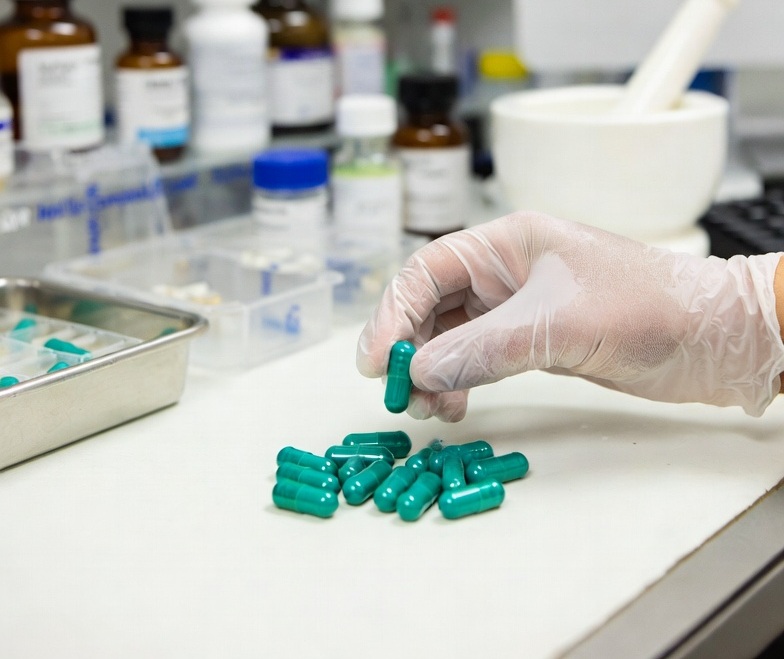
- Capsules (most common)
- Sublingual tablets
- Liquid formulations (ideal for patients who need very gradual dose increases)
- Topical preparations (for specific applications)
Quality you can trust: Our pharmacy follows strict compounding standards to ensure every prescription meets the highest quality specifications. We use pharmaceutical-grade naltrexone and conduct regular quality testing.
Pharmacist support: Our knowledgeable pharmacists are available to answer questions from both patients and prescribers about LDN therapy, dosing, and what to expect.
Convenient refills: We offer easy refill options and can ship directly to your home.
Affordable Pricing
Because naltrexone is a generic medication, compounded LDN is typically very affordable—often less than many conventional prescription medications. We're happy to provide pricing information; just give us a call.
How to Get Started with LDN
For Patients
- Talk to your healthcare provider about whether LDN might be appropriate for your condition
- Obtain a prescription – Your provider can send the prescription directly to our pharmacy
- Contact us – We'll prepare your customized prescription and can answer any questions
- Begin therapy – Follow your provider's dosing instructions and give it time to work
For Healthcare Providers
We welcome the opportunity to partner with you in providing LDN therapy for your patients.
- Send prescriptions via e-prescribe, fax, or phone
- Consult with our pharmacists if you have questions about dosing or formulation options
- Request patient education materials we can provide to your patients
- Access dosing guides and clinical resources
To prescribe LDN, simply include:
- Patient information
- Dose (e.g., "Naltrexone 1.5mg capsules")
- Quantity and directions (e.g., "Take one capsule at bedtime, #30, 1 refill")
- Titration instructions if applicable
Frequently Asked Questions
Is LDN FDA approved? Naltrexone is FDA approved at higher doses for alcohol and opioid use disorders. LDN refers to off-label use at lower doses. Off-label prescribing is a common and accepted medical practice when evidence supports potential benefit.
How long does it take for LDN to work? Most patients begin noticing improvements within 4-12 weeks, though some respond sooner. We recommend committing to at least a 2-3 month trial before evaluating effectiveness.
Can I take LDN with my other medications? LDN is compatible with most medications. The main exception is opioid pain medications, which should not be taken with LDN. Always inform your provider of all medications you're taking.
Does insurance cover LDN? Because LDN is compounded and used off-label, insurance coverage varies. However, LDN is generally very affordable even without insurance coverage. Contact us for current pricing.
Are there any serious risks? LDN has demonstrated an excellent safety profile in clinical studies. Serious adverse events are rare, and the medication is generally considered very safe for long-term use.
Can I drink alcohol while taking LDN? Moderate alcohol consumption is generally acceptable, though some patients report reduced desire for alcohol while taking LDN. Discuss your specific situation with your healthcare provider.
Contact Us
Ready to learn more about LDN or fill a prescription? Our team is here to help.
Call Us today: 407-610-9090
We look forward to supporting your health journey with quality compounded medications and personalized service.
This information is provided for educational purposes and is not intended to replace medical advice. Please consult with a qualified healthcare provider to determine if LDN is appropriate for your individual situation.
More Posts to Read

DID YOU KNOW
At PHARMIQUE Pharmacy, we can create medications that commercial pharmacies simply can't provide ✅ Custom dosages not commercially available ✅ Allergen-free formulations and more!

Bioidentical Hormone Replacement Therapy (BHRT): A Guide for Men
Hormonal changes are a natural part of life. When these changes affect your quality of life, bioidentical hormone replacement therapy (BHRT) may be an option worth discussing with your healthcare provider.

Bioidentical Hormone Replacement Therapy (BHRT): A Guide for Women
Learn about bioidentical hormone replacement therapy (BHRT) for hormone balance. Discover how compounded BHRT offers customized hormone therapy tailored to your individual needs.
Custom Dosage Form Options
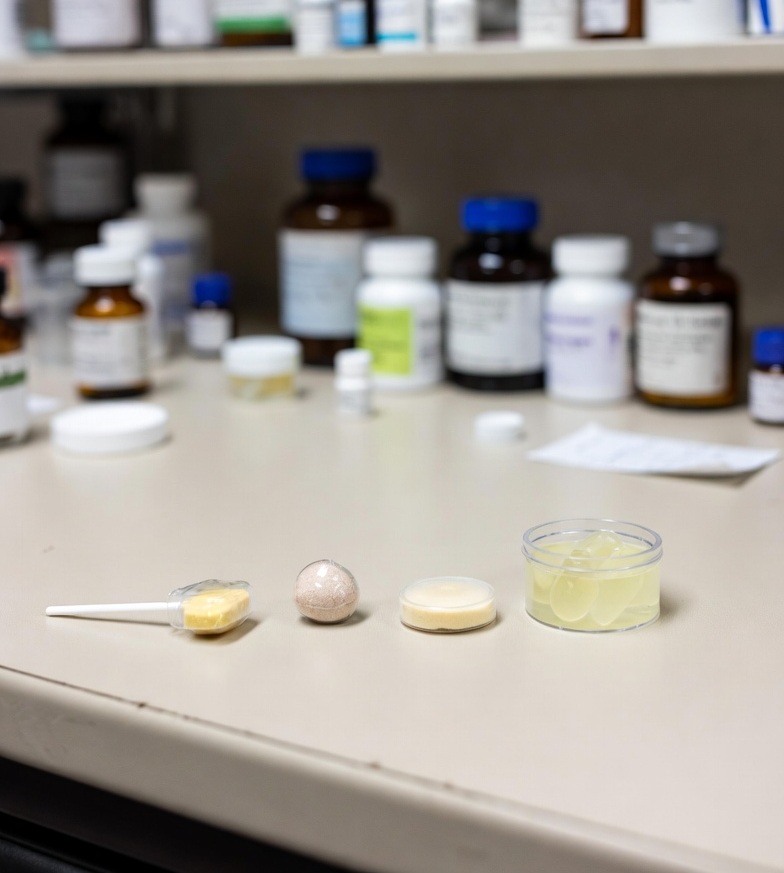
Flavored Oral Suspensions We prepare customized liquid medications in a wide variety of palatability-enhancing flavors—from traditional fruit options to...